News
Page 2 of 3
-
Is ready mix the same as concrete? Understanding the differences and similarities
OVERVIEW Concrete is a composite material made of cement, water, and aggregates. Ready Mix concrete is pre-mixed at batch plants and delivered ready-to-use. Mixing Process: Ready mix saves time with a controlled mixing process. Quality Control: Ready mix offers superior quality and consistency. Convenience: Ready mix is more convenient as it eliminates on-site mixing. Cost
-
Understanding ready mix concrete: definitions and benefits
IN BRIEF Ready-mix concrete is pre-manufactured in a batching plant. It comprises cement, aggregates, and water mixed in specific proportions. Offers time savings in construction projects. Reduces storage space and waste. Facilitates greater quality control and uniformity. Lower labor costs due to efficient mixing and delivery. Available in various grades and formulations to meet specific
-
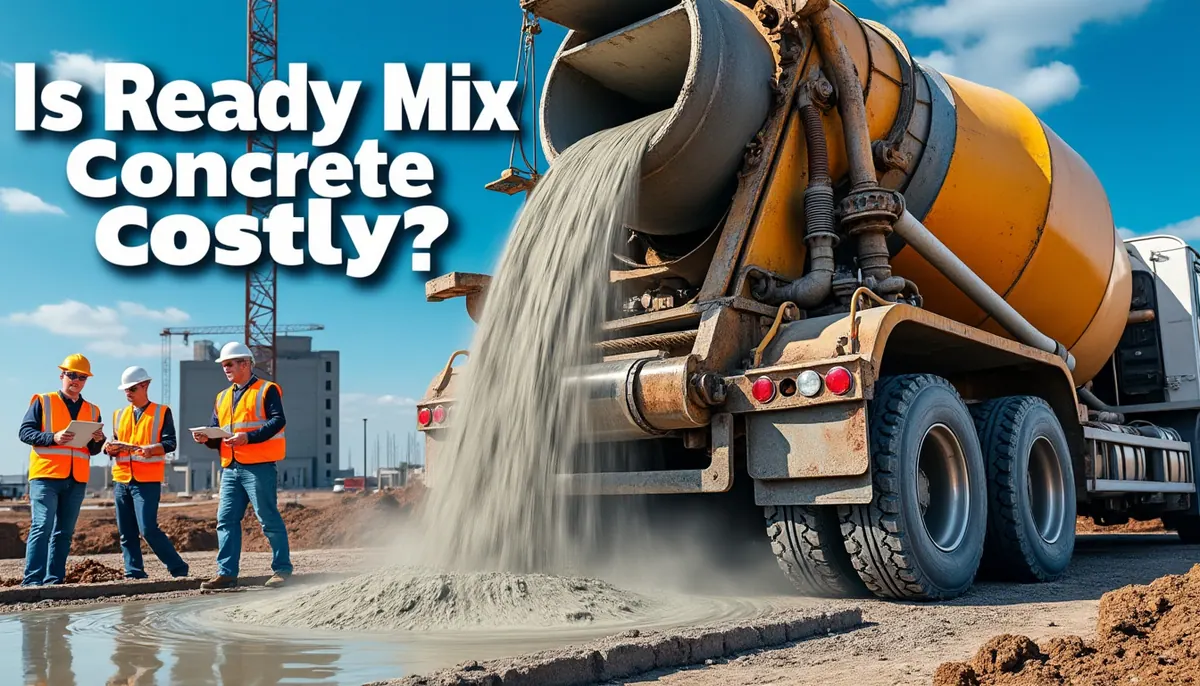
Is ready mix concrete truly costly? A detailed analysis
IN BRIEF Cost Analysis: Evaluating if ready-mix concrete is a cost-effective choice. Drawbacks: Highlighting limitations of ready-mix concrete. Ingredients: Breakdown of key components in ready-mix concrete. Comparison: Analyzing costs between concrete blocks and bricks. Applications: Understanding common uses of ready-mix concrete in construction. Selection: Criteria for choosing the best ready-mix concrete. Difference: Clarifying distinctions between
-
What are the drawbacks of ready-mix concrete?
IN A NUTSHELL Higher Cost: Ready-mix concrete can be more expensive compared to site-mixed options. Limited Travel Time: It has a predetermined setting time, making timely delivery crucial. Dependency on Suppliers: Reliance on third-party suppliers can lead to unforeseen delays. Workability Loss: Its workability may diminish during transit, affecting quality. Initial Setup Costs: Higher initial
-
What are the ingredients in ready mix concrete?
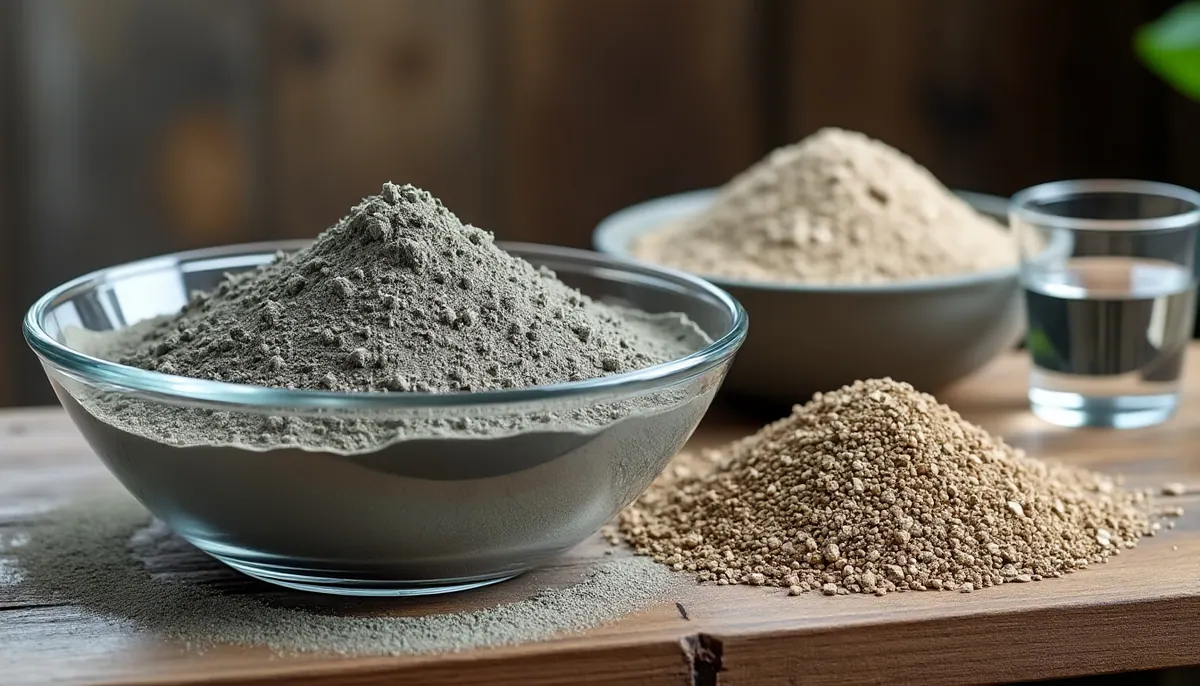
IN BRIEF Ready Mix Concrete is composed primarily of cement, water, and aggregates. The typical ratio is five parts sand to one part cement by weight. Main components include gravel, sand, and crushed stone. Admixtures may be added to alter the concrete’s properties. Calcium compounds are the primary chemical constituents in the mix. Ready mix
-
What are the essential requirements for ready mix concrete?
In Brief Base preparation: Ensure a strong foundation for effective ready mix concrete application. Materials: Key components include cement, aggregates, and water. Mix design: Tailor the concrete mixture based on project requirements. Strength specifications: Define performance requirements for suitable applications. Quality control: Maintain consistency in the mixture and follow quality standards. Ready mix concrete is
-
Is it cheaper to buy ready-mix concrete? A cost analysis
IN BRIEF Ready Mix Concrete is priced higher initially. More cost-effective for medium to large projects due to scalability. Mixing your own concrete can be cost-effective for small DIY projects. 45 bags of 80-pound Quikrete required for 1 cubic yard. Cost of bagged concrete approximately $180.00 per yard with tax. Delivery of ready-mix concrete can
-
What is ready mix concrete used for in construction?
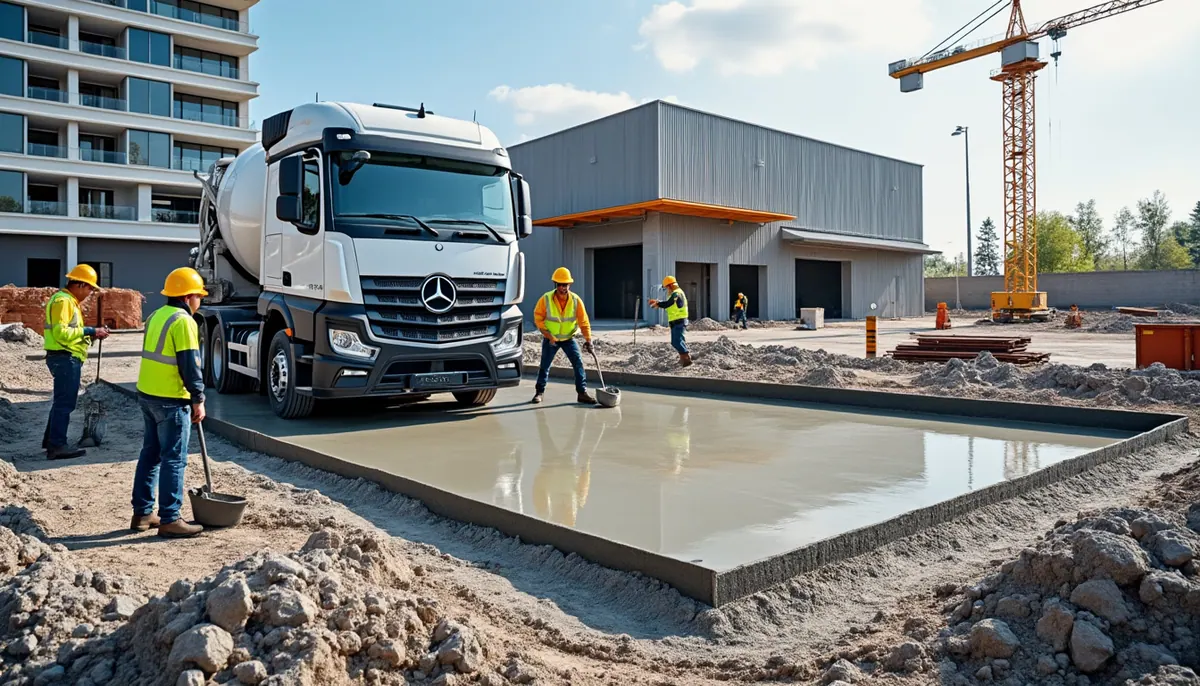
IN BRIEF Definition: Ready-mix concrete is pre-mixed concrete made in a factory. Applications: Used in driveways, sculptures, pillar, bridges, retaining walls, tunnels, foundations. Advantages: Lowers air and noise pollution; efficient for large projects. Comparison: Preferred over site-mixed concrete for large-scale constructions. Eco-friendly: Mixed in closed chambers to minimize environmental impact. Ready-mix concrete (RMC) is an
-
What is the best ready mix concrete and how to choose it?
IN BRIEF Types of Concrete Mixes: Understanding various mixes such as high-strength, self-leveling, and fiber-reinforced. Strength Requirements: Choosing mixes based on compression strength (3,500 to 5,000 PSI recommended). Project Needs: Assessing your project’s environmental conditions and specific demands. Ready Mix Suppliers: Tips on evaluating supplier reputation and quality. Application Focus: Identifying the best mix for
-
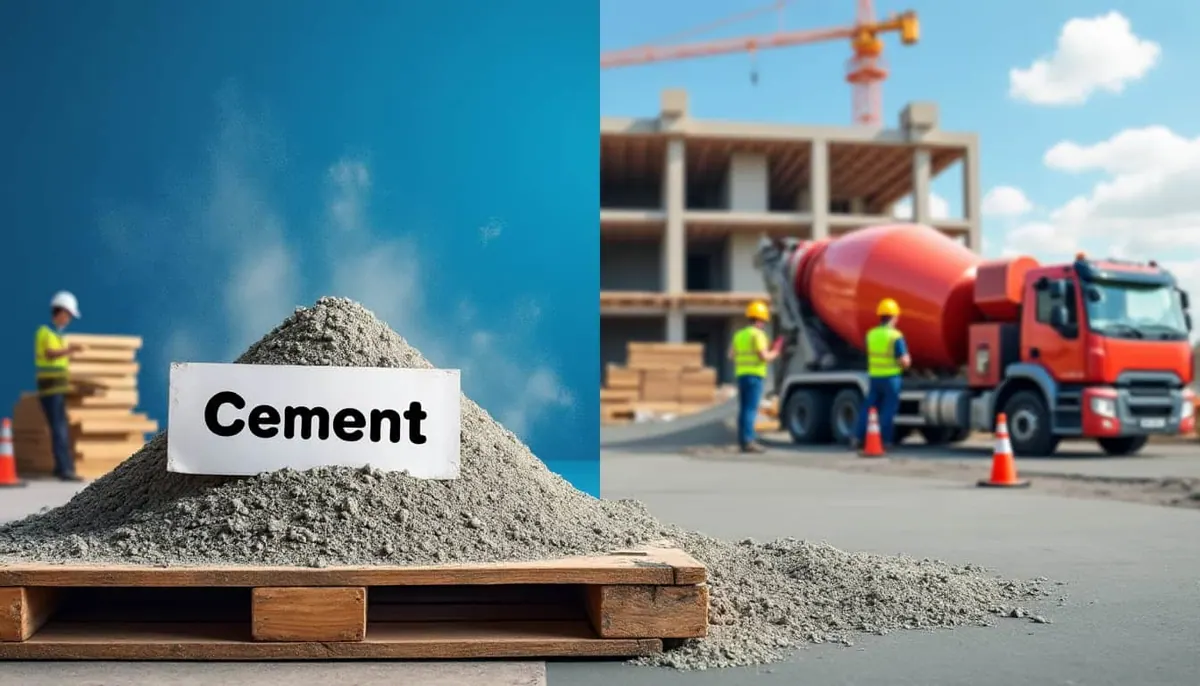
What is the difference between ready mix concrete and cement?
IN BRIEF Cement is a key ingredient used in concrete. Concrete is the final product created by mixing cement, aggregates (like sand and gravel), and water. Ready-mix concrete is prepared in a facility and delivered to the construction site, while site-mixed concrete is mixed at the job location. Ready-mix concrete saves time and ensures consistency
-
What is the strongest ready mix concrete and its applications
IN BRIEF C40 concrete: The strongest standard ready-mix used for structural support. High-strength concrete: Offers compressive strength of 6,000 to 14,000 psi, ideal for demanding applications. UHPC: Ultra-high-performance concrete, exceeding 30,000 psi, reserved for specialized projects. Common mixes: Range from C7 to C40; C30 has a minimum strength of 30 Newtons after 28 days. Applications:
-
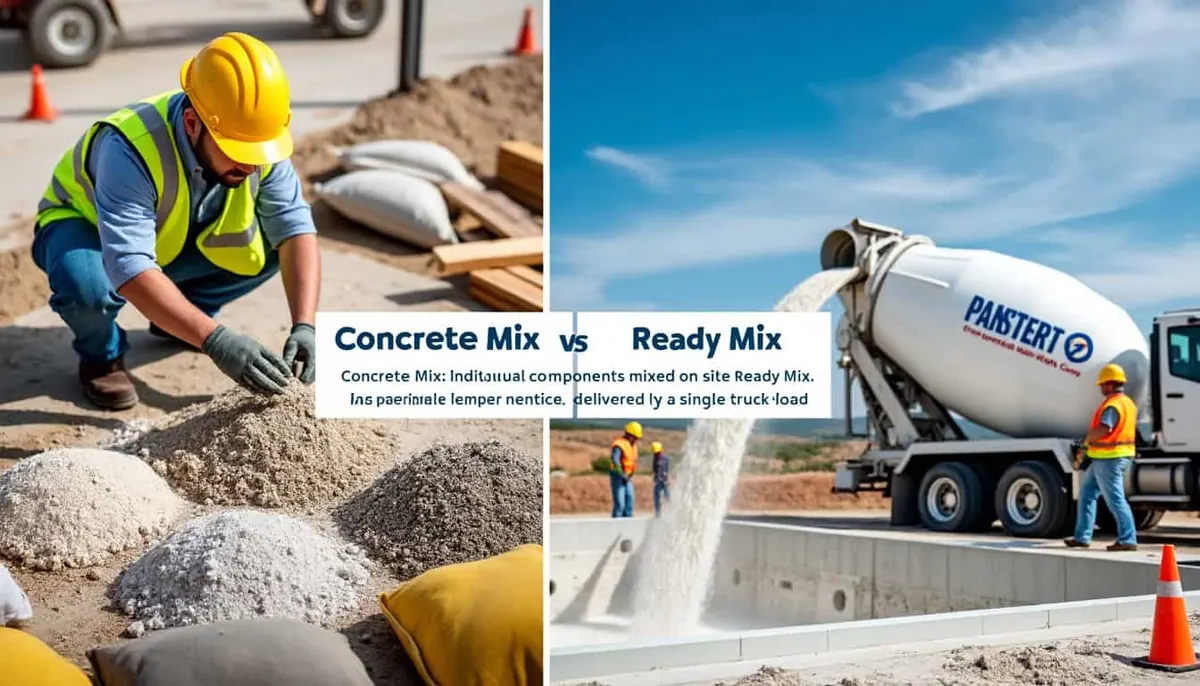
What is the difference between concrete mix and ready mix?
IN BRIEF Ready-mix concrete is prepared in a facility and delivered to the site. Site-mixed concrete is mixed on the construction site, requiring more time. Higher durability is guaranteed with ready-mix due to precise batching. Cost-effective as ready-mix saves time on project timelines. Equipment for mixing is not necessary with ready-mix, reducing site clutter. In