News
26 articles on mixes, costs, delivery logistics and site practice.
-
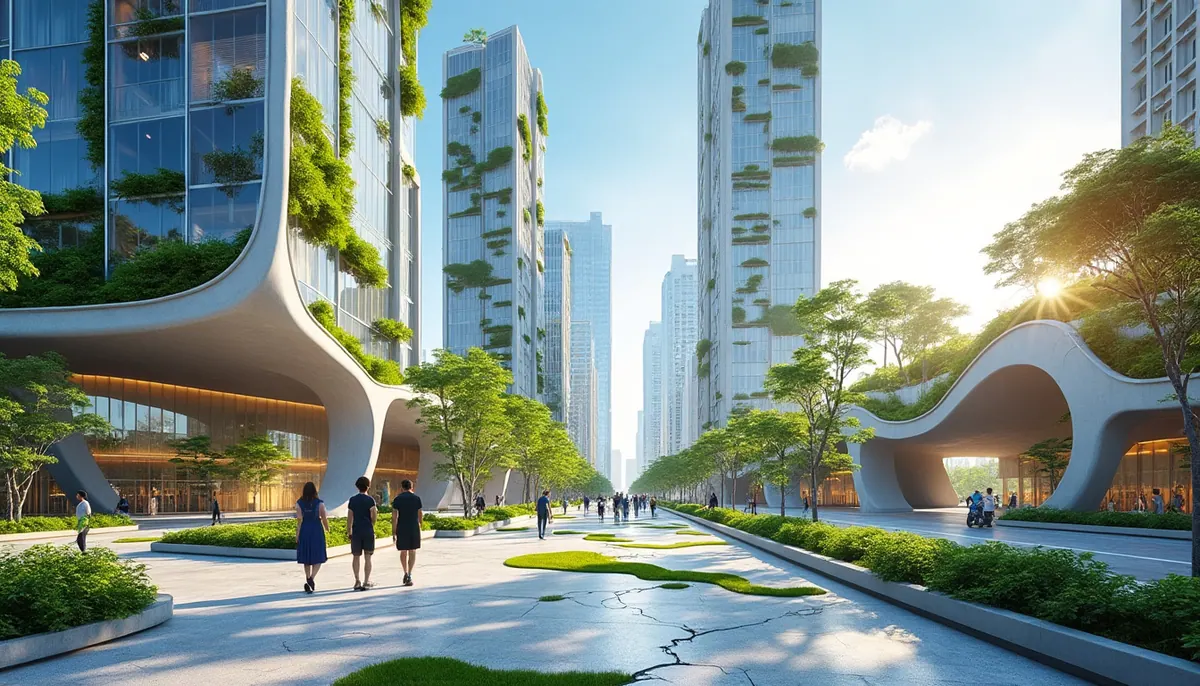
Future trends in concrete: exploring innovations and sustainability
IN BRIEF Smart materials integrated for enhanced performance. Emergence of self-healing concrete technology. Utilization of recycled materials in concrete production. Trends towards low-carbon concrete options. AI integration for efficiency in production and application. Adoption of translucent cement for aesthetic purposes. Focus on designing durable structures with longevity. 3D printing advancements using waste materials. Government regulations
-
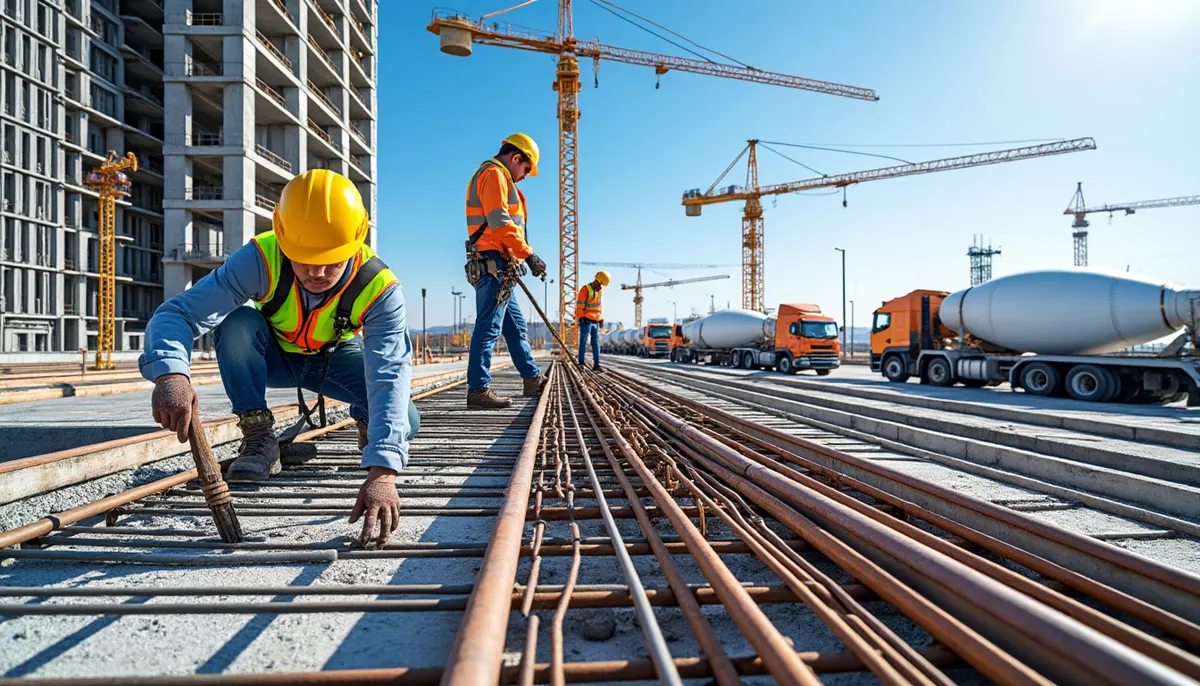
Concrete reinforcement techniques: an overview of modern methods
IN BRIEF Steel Rebar: Traditional method for positioning in concrete. Mesh Panels: Alternative technique requiring different preparation. Modern Methods of Construction (MMC): Use the benefits of thermal mass, fire resistance, and sound insulation. Reinforced Concrete: A composite material combining Portland cement concrete’s compressive strength with reinforcement. Corrosion Resistance: Reinforced concrete withstands water effects effectively. Design
-
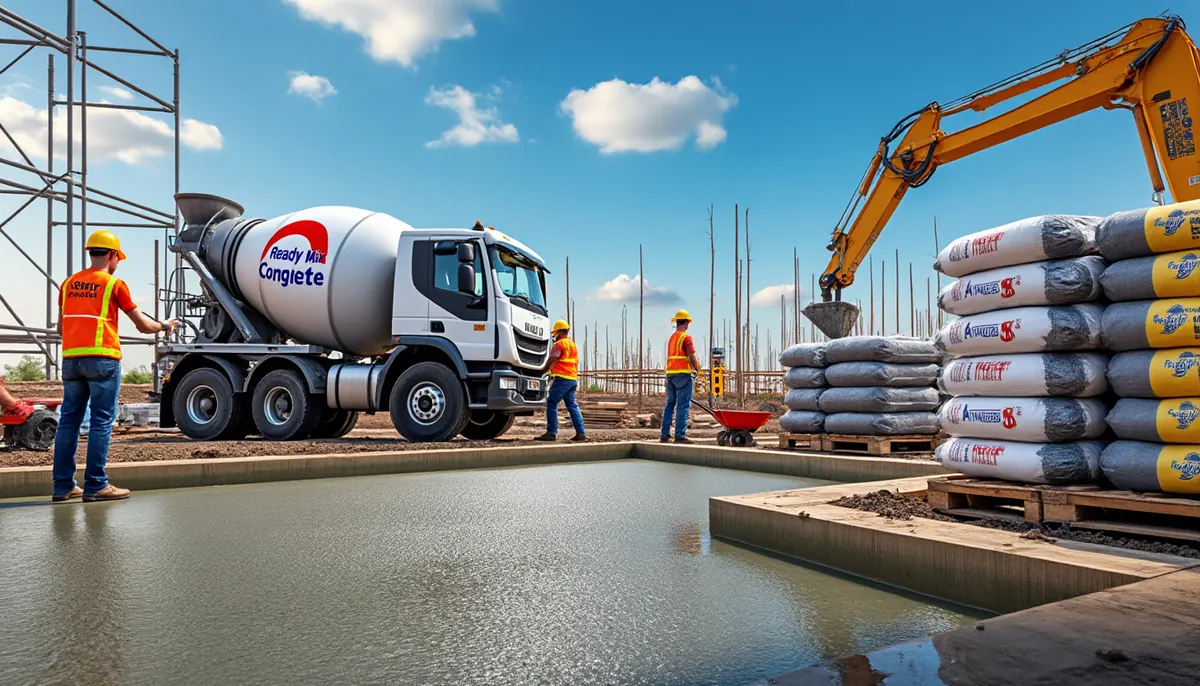
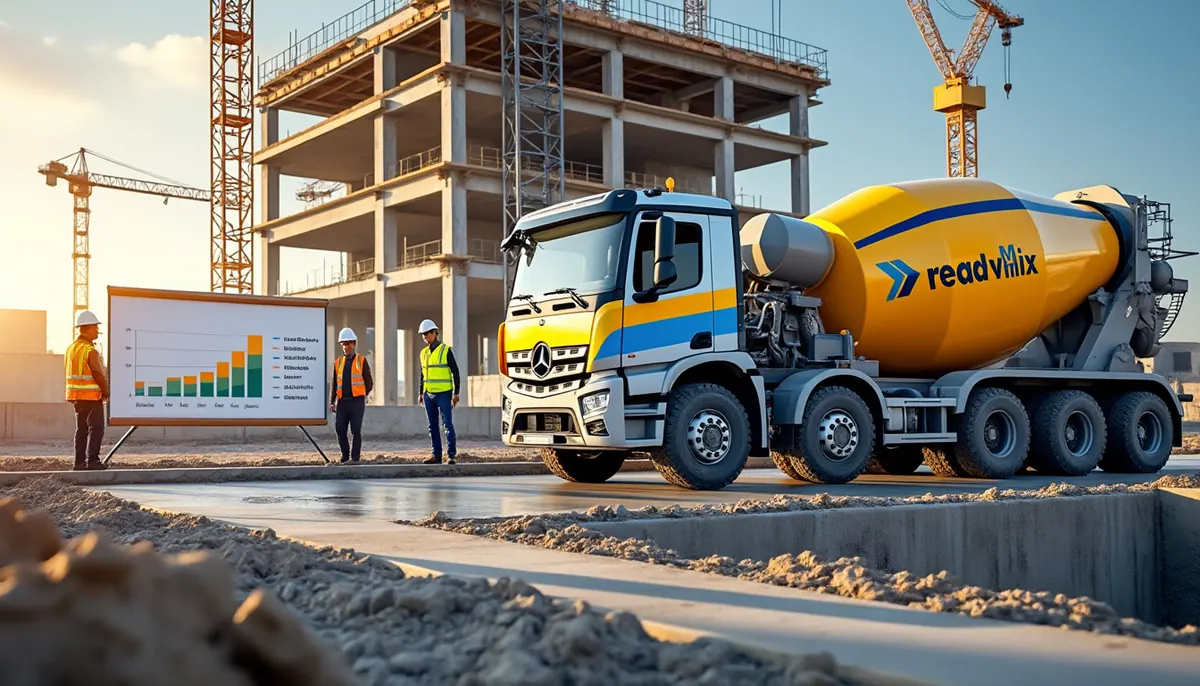
A detailed overview of ready-mix concrete
IN BRIEF Definition: A specialized type of concrete mixed off-site. Components: Mixture of cement, water, sand, and aggregates. Production: Created in a controlled environment at a baching plant. Delivery: Arrives on-site in a plastic state, ready for use. Standards: According to ASTM C 94, it should be discharged within 90 minutes. Advantages: Ensures quality, consistency,
-
Concrete solutions for extreme climates: understanding the challenges and innovations
IN BRIEF Understanding the impact of extreme climates on concrete. Challenges faced in construction during harsh weather. Innovative solutions for optimizing concrete performance. Importance of admixtures and proper curing methods. Strategies for building resilience in extreme temperatures. Insights on quality control and sustainability in concrete use. Adapting design to meet environmental challenges. As the world
-
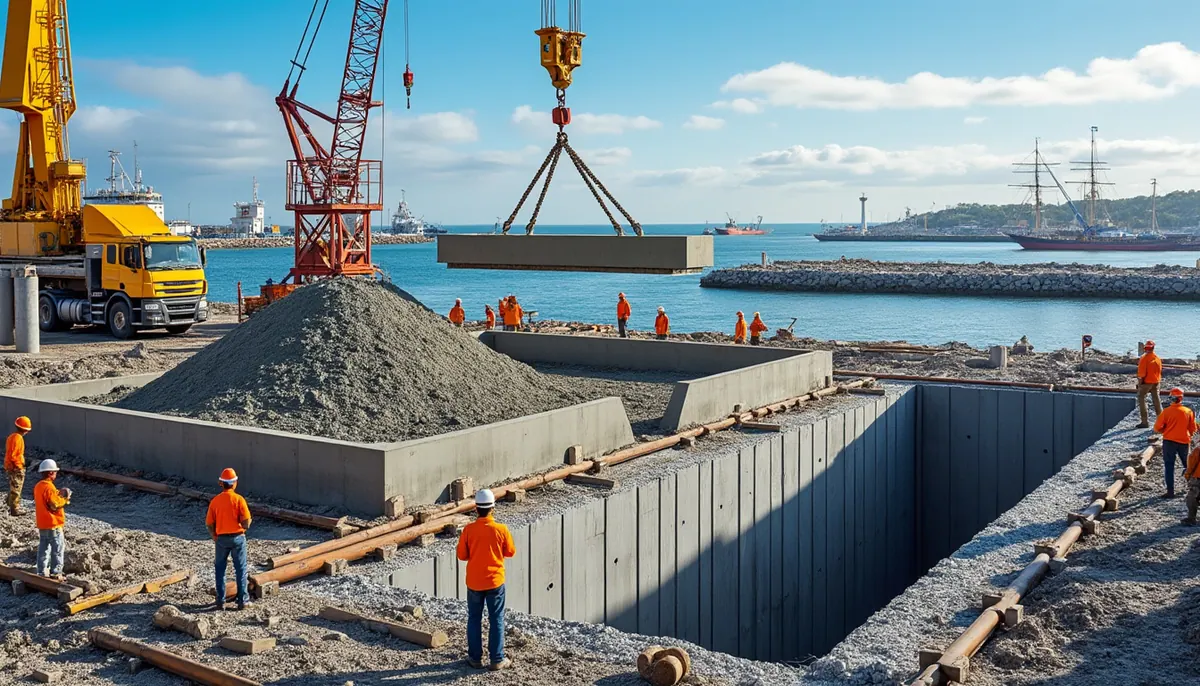
Concrete and maritime construction: understanding the key techniques and materials
IN BRIEF Concrete as a primary material in maritime construction Key techniques for marine environments Sustainable materials suitable for marine applications Durability of concrete against seawater Innovative construction methods for coastal structures Regular maintenance practices for longevity Benefits of using concrete in marine engineering Understanding economic considerations in maritime projects Common applications of ready-mix concrete
-
Understanding the economics of ready-mix concrete
IN BRIEF Understanding the drawbacks of ready-mix concrete. A detailed cost analysis of purchasing ready-mix versus other construction materials. Benefits and applications of concrete in industrial zones. Cost comparison between concrete and alternative building materials. A guide to modern concrete equipment for construction professionals. Importance of training in concrete techniques for modern construction. The role
-
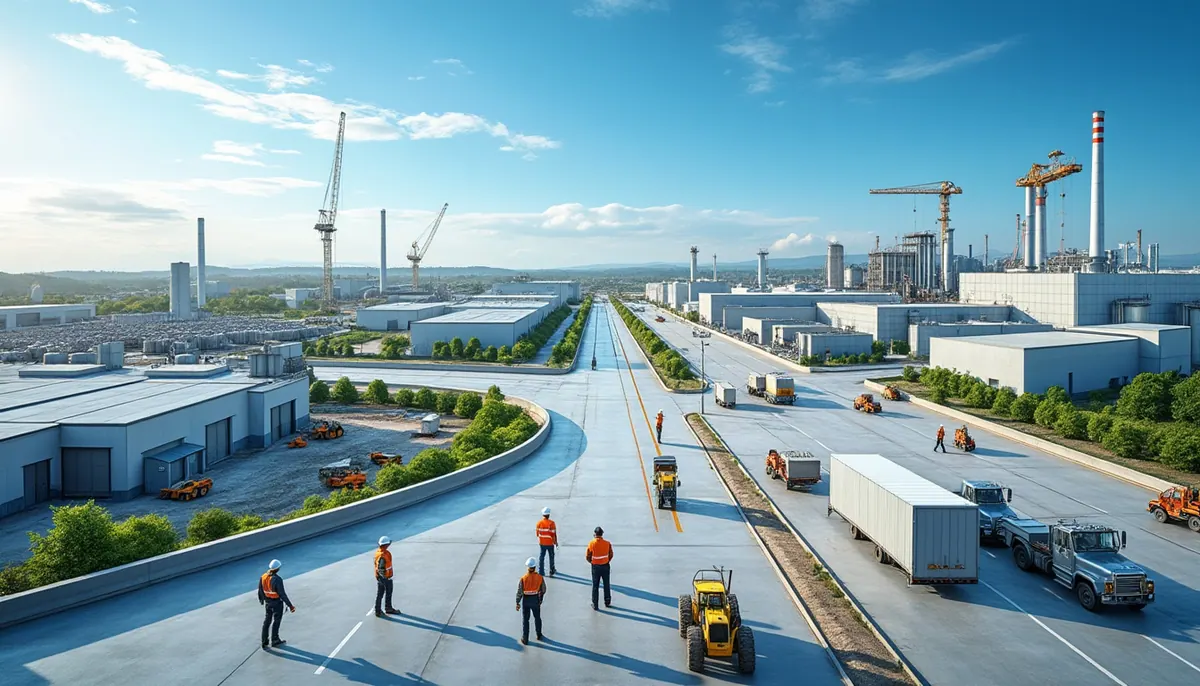
Concrete for industrial zones: Understanding its benefits and applications
IN BRIEF Applications: Utilized in various industrial constructions such as factories and warehouses. Durability: Offers long-lasting strength and resilience under heavy loads. Cost-effectiveness: Provides affordable solutions compared to other materials. Environmental benefits: Reduces waste impact and can incorporate recycled materials. Versatility: Suitable for diverse designs and applications tailored to specific needs. Stability: Ensures a solid
-
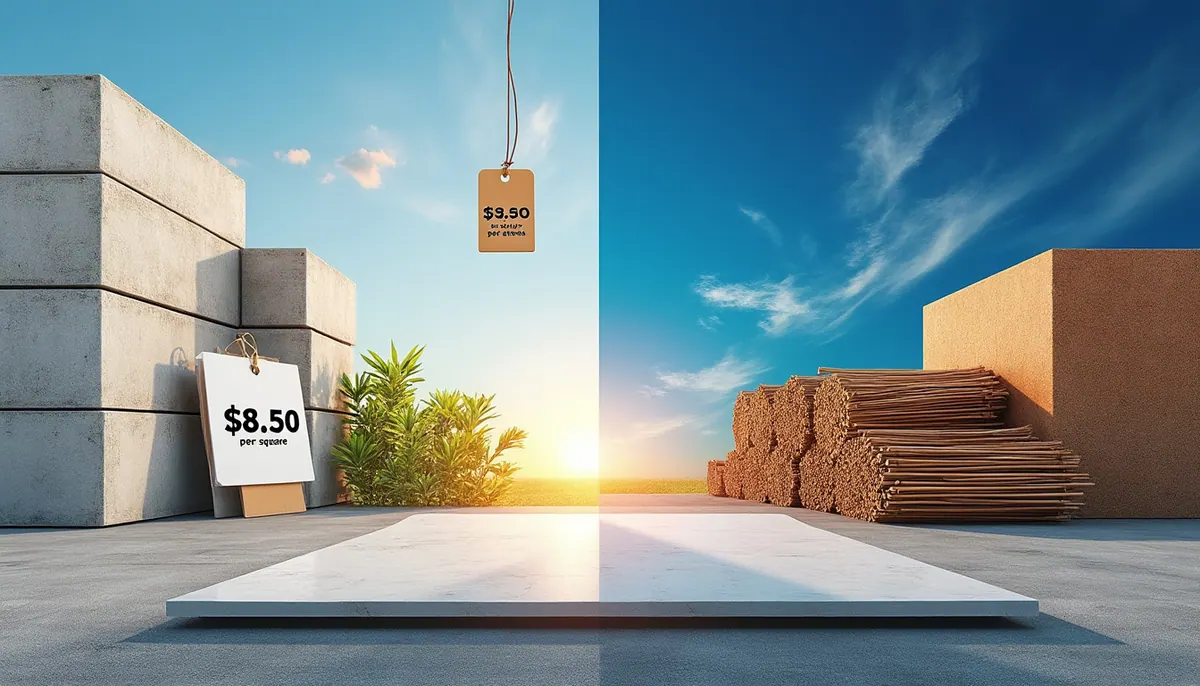
Cost comparison of concrete and alternative building materials
IN BRIEF Concrete often proves to be more cost-effective than many alternative materials. The initial cost of concrete can vary based on type and grade. Choosing the right concrete affects budget and project longevity. Comparative analysis shows that steel can create stronger structures but may incur higher material costs. Cost differences between concrete blocks and
-
Understanding modern concrete equipment: A guide for construction professionals
IN BRIEF Modern Concrete Equipment Overview Essential tools for construction professionals Types of concrete mixers explained Diverse finishing tools and their applications Safety equipment recommendations for workers Understanding ready mix concrete vs. Traditional methods Impact of technology on concrete practices Maintenance tips for long-lasting equipment Future trends in concrete technology In the ever-evolving landscape of
-
Training in concrete techniques: essential skills for modern construction
IN BRIEF Concrete Design School: Learn core skills such as templating, form building, concrete mixing. Concrete Leveling: Essential for ensuring structural integrity and safety of buildings. PTTI Training: Gain hands-on experience and vital skills in concreting. Construction Techniques: Explore various methods used in project management. Safety Training: Awareness programs for concrete and masonry to ensure
-
The role of concrete in shaping futuristic architecture
IN BRIEF Concrete as the foundational material in contemporary architecture. The significance of reinforced concrete in structural innovation. Application of hollow concrete structures for sustainable design. Inherent properties of fire resistance and sound insulation. The aesthetic advantages of architectural concrete. The role of ready-mix concrete in modern construction. Impact of brutalist architecture on urban landscapes.
-
Understanding the environmental impact of concrete
IN BRIEF CO2 Emissions: Cement production is a significant source of carbon dioxide. Waste Generation: Manufacturing creates dust and sludge that contribute to air and water pollution. Health Issues: Cement factories emit sulfur dioxide and carbon monoxide, worsening respiratory problems. Water Consumption: Concrete production heavily utilizes water, stressing local supplies in affected regions. Greenhouse Gases: